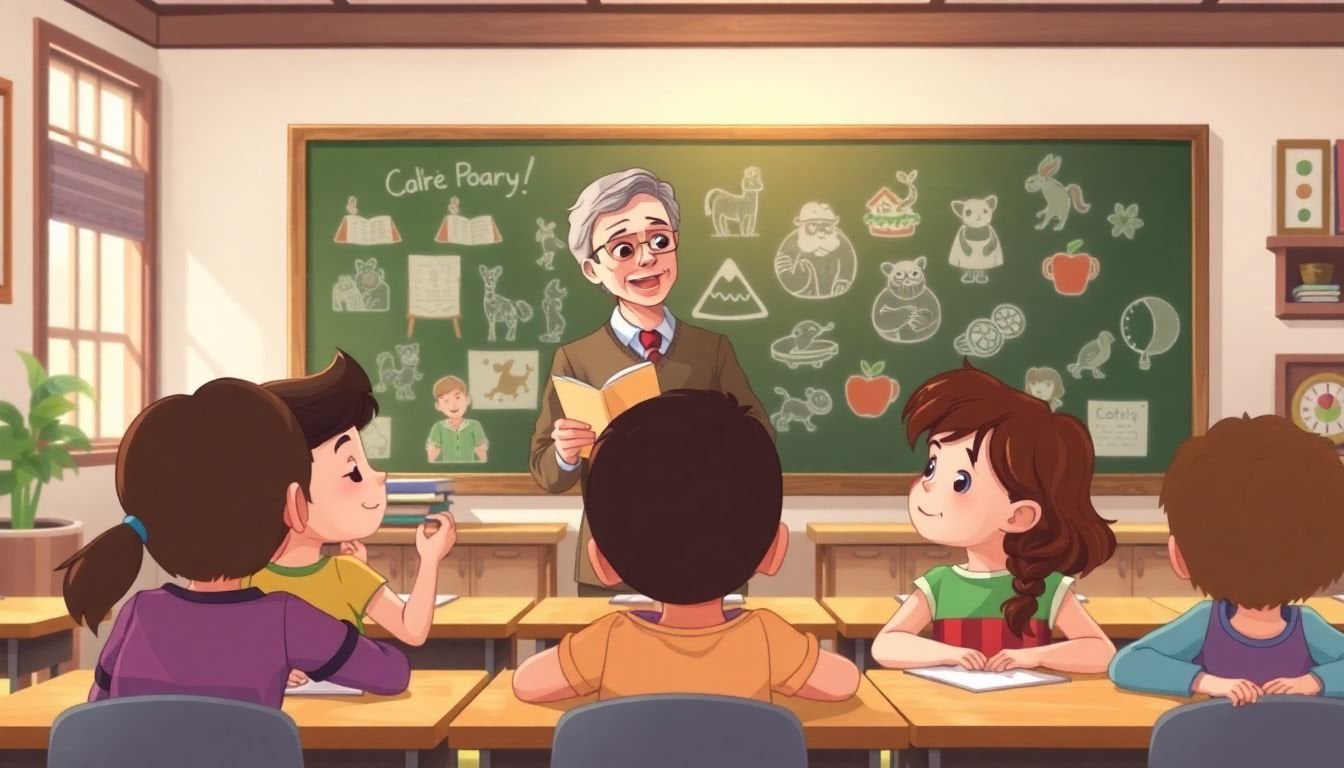
Using Storytelling as a Teaching Tool: 6 Key Insights
Have you ever watched a class drift off the second you start listing facts? I have. It usually happens when the lesson feels like it’s coming straight out of a textbook—no human story, no stakes, no reason to care. And honestly, that’s tough, because students aren’t refusing to learn… they’re just missing the “why.”
Storytelling helps with that. When I weave a concept into a real narrative, students lean in. They start asking questions that actually move the lesson forward. And the best part? The content stops feeling random. It feels like it belongs to something.
In the sections below, I’ll walk you through why storytelling works (not just “it’s engaging,” but what’s happening in students’ heads), the main types you can use, and a few classroom-ready strategies you can try next week. I’ll also include a simple lesson outline you can copy, plus ways to measure whether it’s working.
Key Takeaways
- Storytelling gives students a mental “map” for new information, which makes lessons easier to follow and remember.
- Narratives reduce cognitive overload by organizing facts into a cause-and-effect sequence.
- Traditional, digital, and participatory storytelling all work—what matters is matching the story type to your objective.
- Use visuals and short pauses (questions, predictions, “what would you do?”) to keep attention from dropping.
- Story-based activities can strengthen comprehension, empathy, and critical thinking—not just engagement.
- Start small: one anecdote, one case study, or one student-created mini-story tied to your learning target.
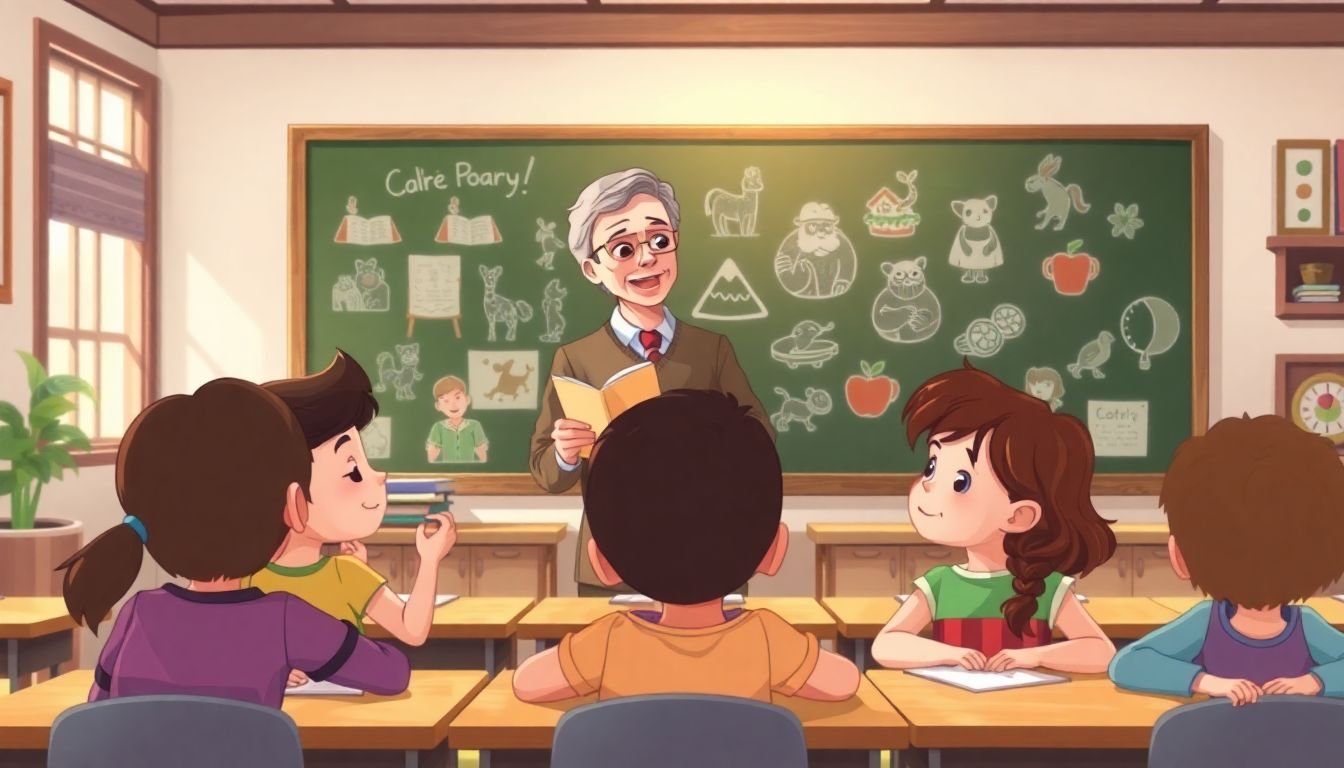
1. Understand the Importance of Storytelling in Teaching
Storytelling isn’t just “fun.” It’s a way to help students connect emotionally and logically to what you’re teaching. When I introduce a new topic with a short narrative, students don’t just memorize—they understand the situation the concept comes from.
Here’s what that looks like in real life: in a history unit, instead of starting with a list of events, I’ll open with a person’s decision—what they wanted, what they feared, what they didn’t know yet. Suddenly, dates and causes don’t float in space. They attach to a story arc. Students remember the “why” behind the “what.”
And yes, stories can build creativity and critical thinking. When students analyze a character’s motivations or predict what happens next, they’re practicing reasoning, not just repeating information. You’re basically turning a passive lesson into a thinking lesson.
2. Recognize Why Storytelling Works in Education
So why does storytelling work so well? For me, it comes down to three practical mechanisms: attention, organization, and retrieval.
1) It hooks attention without forcing it. A story has tension—something changes, something is at stake, something is missing. That structure naturally pulls students in, even the ones who usually tune out.
2) It organizes information so students can actually process it. Cognitive load matters. If you dump facts in a row, students have to build their own structure from scratch. But a narrative gives them a ready-made sequence (problem → attempt → consequence → lesson). That aligns with what we know from the cognitive theory of multimedia learning and related research on how people learn from structured information (see Mayer’s work, e.g., Mayer, 2001).
3) It improves retrieval. When students later recall the topic, they don’t just pull “definitions.” They retrieve the story context. That’s why a good story often brings back the key facts automatically.
One more thing: stories can bridge cultural and social gaps. When you share narratives from different backgrounds (or invite students to compare experiences), you’re not just teaching content—you’re building empathy and perspective-taking. I’ve seen this work especially well in discussions where students are otherwise hesitant to speak.
3. Learn About Different Types of Storytelling in Education
Not all storytelling is the same. I treat “storytelling” like a toolkit—different tools for different goals.
Traditional storytelling (teacher-led narratives)
This is the classic approach: you narrate a story, often with a prop, timeline, or quick visual. The win here is control. You can make sure the key learning target is embedded in the narrative, not accidentally skipped.
Digital storytelling (media-based narratives)
Digital storytelling uses images, audio, and video to tell the narrative. It’s great when you want students to connect text to visuals or when you’re working with topics that benefit from real-world footage.
On the market side, you’ll see forecasts like the digital storytelling courses market projected to reach about US$726 million by 2030 (a figure often cited in industry reports). I don’t love leaning on market numbers for teaching decisions, but it does signal something practical: more tools, more platforms, and more training opportunities are showing up—so it’s easier to find resources if you want to try a digital project.
Participatory storytelling (students contribute)
This is where students add their own experiences, interpretations, or invented scenarios. In my experience, participatory storytelling works best when you give a clear structure (otherwise it becomes “everyone talks” with no learning target).
Case studies and real-life scenarios
If you don’t want to “perform,” case studies are your friend. They’re basically stories with evidence. You can ask students to identify the problem, predict outcomes, and justify decisions using the concepts you taught.

4. Implement Strategies for Using Storytelling
If you want storytelling to actually improve learning (not just “make class lively”), plan it like instruction—not like entertainment.
Step 1: Start with a measurable objective. Don’t write a story first. Write the learning target first. Example: “Students will be able to explain why a change in temperature affects particle motion.” That objective tells you what the story must include.
Step 2: Build a story skeleton (keep it short). I use a simple structure: Hook → Problem → Attempts → Turning point → Lesson. For a 45-minute lesson, the story itself might be only 5–10 minutes. The rest is discussion and practice.
Step 3: Add “thinking stops.” Don’t just talk straight through. Pause and ask a question at the turning point. For example:
- “What do you predict will happen next—and why?”
- “What’s the mistake the character is making here?”
- “Which concept from our notes explains this outcome?”
Step 4: Use visuals on purpose. A timeline, a diagram, or even a single image can anchor the narrative. I’ve found that students remember visuals longer than words alone—especially for science and math where relationships matter.
Step 5: Connect story details to practice. After the story, students should do something that uses the target concept. Otherwise, the narrative becomes “a cool story” with no learning transfer.
Quick lesson plan example (copy/paste style)
- Objective: Students can justify a claim using evidence from a scenario.
- Story (3–4 minutes): Present a brief case: “A student claims their experiment failed because the teacher ‘changed the rules.’” Include 2–3 pieces of evidence students can interpret.
- Thinking stop (1 minute): “What evidence would you use to support or refute the claim?”
- Guided practice (8–10 minutes): Students highlight evidence and write a 3-sentence justification.
- Independent check (5 minutes): Quick exit ticket: “What is one piece of evidence that matters most, and why?”
- Debrief (2 minutes): Students share one justification; teacher links back to the objective language.
Sample story prompts you can use
- Math: “A character keeps getting the wrong answer—what step went wrong, and how would you fix it?”
- Science: “What happens when the conditions change? Tell the story of the cause-and-effect sequence.”
- ELA: “Write a scene where the character’s choice reveals their values. What detail proves it?”
- History: “Choose one decision a historical figure made. What information did they have, what pressure did they face, and what were the consequences?”
One honest limitation: If the story is too long or too complicated, students focus on plot instead of concepts. I’ve made that mistake. The fix is simple: keep the narrative tight and make the “learning target moments” obvious with pauses and questions.
5. Discover the Benefits Storytelling Offers to Students
Let’s talk benefits in a way that’s actually useful. Here’s what storytelling can do when it’s paired with instruction (not just narration).
Engagement that lasts beyond the hook. A story can grab attention, but the real win is what comes after: students stay involved because they want to resolve the narrative question. That makes it easier to lead them into practice.
Better comprehension through structure. Stories give students a framework. Instead of memorizing disconnected facts, they learn how ideas connect. This tends to help especially in units where students feel overwhelmed by “too much information.”
Retention and recall (with evidence, not vibes). Research on narrative and memory is pretty consistent. For example, in narrative processing work, psychologists have found that well-structured stories support memory by creating causal connections and meaning (see Green & Brock, 2000 on narrative transportation; and related narrative/cognitive frameworks). The takeaway for teachers: if you want retention, don’t just tell a story—make sure it includes causal links and the target concepts.
Critical thinking and empathy. When students examine decisions, motivations, and consequences, they’re practicing evaluation. In discussions, you’ll often see better reasoning: students cite “what happened in the story” instead of making vague statements.
Language development (especially in ELA and language learning). Story-based tasks naturally encourage vocabulary use, grammar patterns, and communication skills. Students also get more chances to speak or write meaningfully, not just complete worksheets.
Creativity and ownership. Participatory storytelling turns students into contributors. I like giving a “constraint,” like “use at least two vocabulary words” or “include one cause-and-effect sentence.” Constraints keep creativity focused on the learning goal.
6. Take Action: Use Storytelling in Your Teaching
Alright—how do you start without overhauling everything? Here’s a realistic approach that worked in my classroom (and keeps your workload sane).
Try this 3-day rollout
- Day 1: Use a 5-minute teacher-led story tied to today’s objective. Add one thinking stop question.
- Day 2: Give students a short case scenario and have them fill out a “Claim–Evidence–Reasoning” paragraph.
- Day 3: Have students create a 6–8 sentence mini-story that includes the key concept (and one example from their own life or a familiar situation).
Choose a digital storytelling project (if it fits your class). For example, students can record a 60–90 second “explain it like a story” video: problem, attempt, result, lesson. You don’t need fancy production—clarity matters more than effects.
Collaborate with other teachers. I’ve found story-based lesson plans improve quickly when teachers share what worked. One teacher might have a great historical scenario; another might have a science case study that connects perfectly to your unit.
Assess impact (so you know it’s working). Instead of guessing, use quick checks:
- Pre/post concept check: 3 multiple-choice questions or 2 short answer prompts tied to the learning objective.
- Story-to-concept rubric (simple): Did students correctly use the target concept? Did they explain cause/effect? Did they include evidence from the scenario?
- Student feedback question (1 minute): “What part of the story helped you understand the concept most?” (Then look for patterns—do they mention the turning point, the example, the evidence?)
- Observation checklist: Are students referencing story details during discussion? Are they using lesson vocabulary accurately?
Use a structured workflow to reduce prep time. If you’re building a course or unit plan, a tool can help you map objectives to story prompts, activities, and assessments. That’s exactly where an AI-powered course creator can help—turning your storytelling idea into a repeatable template instead of starting from scratch every time.
Finally: celebrate what students create. Share a few mini-stories (with permission) and highlight the moments where they used the concept correctly. Confidence matters. So does showing that storytelling is a learning strategy, not just a “nice extra.”
FAQs
Storytelling matters because it connects new content to meaning. It helps students understand context, stay engaged, and remember key ideas later. When students can link material to a narrative situation, learning feels less abstract and more usable.
Stories pull learners in through emotion and imagination, but the real reason they stick is structure. A narrative provides a cause-and-effect sequence, so students can organize information and retrieve it more easily than isolated facts.
You can use oral storytelling, digital storytelling, visual storytelling, and interactive storytelling. You can also lean on case studies and real-life scenarios—basically narrative formats that come with evidence and decision points.
Start by tying the story directly to a learning objective. Keep the narrative short, add thinking pauses, and follow it with practice that uses the target concept. If possible, let students create or interpret a story so they’re actively processing the material—not just listening.