
How to Compare Free eLearning Platforms: Key Features and More
Trying to pick a free eLearning platform can feel like scrolling forever and still not knowing what matters. I’ve been there—lots of sites look great on the landing page, but then you hit the real stuff: awkward menus, quizzes that don’t behave, or a “free” plan that’s missing the one feature you actually need.
So instead of guessing, I use a simple comparison method. You’ll start with your goals, then verify the platform against a checklist you can actually act on. If you do it right, you won’t waste hours bouncing between options.
Below, I’ll walk you through what to compare (and what to test), plus I’ll include a practical framework you can reuse when you’re deciding between free eLearning platforms.
Key Takeaways
- Start with your learning goals and delivery style (self-paced, cohort, skills practice, compliance, etc.).
- Compare popularity and content depth, not just “how many courses” a platform claims.
- Test the interface yourself—small friction points (navigation, quiz grading, progress tracking) add up fast.
- Check creation tools for the basics you’ll need: quizzes, multimedia, templates, and reuse of content.
- Verify device performance, including mobile layout and whether quizzes and videos work smoothly.
- Look for support that’s actually reachable (docs + community + direct channels for problems).
- Read reviews with filters: focus on the last 6–12 months and prioritize mentions of mobile and support.
- Confirm integrations (Google Drive, Zoom, LMS compatibility, SCORM/xAPI, or API access) before you commit time.

How to Compare Free eLearning Platforms
Here’s the approach I recommend (and what I personally do when I’m short on time):
1) Pick the “type” of platform first
Free eLearning platforms aren’t all the same. Some are better for hosting your own course, others are more like learning libraries, and some function as mini-LMS tools for tracking learners. If you compare the wrong category, you’ll end up disappointed—even if the platform is “good.”
2) Use a quick scoring rubric (so you can decide)
I like a simple 100-point rubric. Give each category a weight based on your needs, then score each platform after you test it.
- Creation & content tools (25 points): quizzes, templates, multimedia, course structure.
- Learning experience (20 points): navigation, progress tracking, grading behavior.
- Mobile performance (15 points): layout, quiz usability, video playback.
- Reporting & analytics (15 points): completion, scores, exports (if needed).
- Support & community (10 points): docs, forums, response options.
- Integrations (10 points): LMS compatibility, SCORM/xAPI, API, common apps.
- Hidden limits on the free plan (5 points): branding, caps, exports, user limits.
3) Test the platform like a real learner (and like a creator)
Before you commit, I run the same mini test on each platform:
- Create a tiny lesson (1–2 pages + one video or embed).
- Add a quiz with at least 2 question types (multiple choice + short answer or true/false).
- Check how grading and feedback works (does it show results immediately? can you retry?).
- Open it on mobile and confirm nothing breaks (especially the quiz flow).
- Look for progress tracking (do you see completion and scores where you expect?).
4) Shortlist platforms before you go deep
Make a list of 5–6 platforms you’re considering. Then only spend deep time on the top 2 after your first test round. Trust me—this saves hours.
Example platforms to compare (quick reality check)
Free plans vary a lot, so I’m not going to pretend they’re identical. Here are a few commonly used options people compare, along with the kind of “free plan” limitations you should watch for:
- Moodle (free/open source): great control, but setup can be technical; free hosting may be limited depending on where it’s running.
- Google Classroom (free): strong for assignments and basic workflow; not a full course authoring tool with advanced quiz/reporting.
- edX (free learning options): good for learning from established courses; creating your own full catalog usually isn’t part of the free experience.
- Coursera (free auditing in many cases): often solid content quality; full certificates and some features typically require payment.
- Canvas (free trials / freemium varies): great LMS, but “free” often means limited access during trials or specific tiers.
- WordPress + course plugins (free core + paid add-ons): flexible, but free plugin options may be limited (quiz types, reporting, course templates).
Tip: When you see “free,” immediately check what’s missing: exports, SCORM/xAPI, offline mode, grading analytics, or even basic customization. Those are usually the deal-breakers.
Key Features to Look For in eLearning Platforms
Features matter, but only the ones you’ll actually use. Here’s what I focus on when comparing free eLearning platforms.
Course creation tools (not just “it has videos”)
Look for:
- Quizzes: multiple choice, true/false, short answer, question banks (even if limited on free tiers).
- Templates: lesson modules or course outline structure so you’re not building everything from scratch.
- Multimedia: video embeds, audio, images, and interactive elements (and confirm they display correctly on mobile).
For example, if you’re building in WordPress, you typically get a lot of flexibility—but you’ll want to confirm your plugin supports the quiz and reporting features you need on the free plan (or at least the free tier you’re using).
Standards & packaging (if you care about portability)
If you’re going to move courses later, check whether the platform supports SCORM or xAPI. I’ve seen “free” options that let you publish content, but don’t support standards for tracking or exports. If portability matters, this is a must-check.
Analytics that match your goals
Not all reporting is equal. I look for:
- Completion status (who finished what)
- Quiz scores and attempts
- Time spent or engagement signals (if available)
- Export options (CSV, xlsx, or LMS-friendly reporting)
If the free plan shows progress only on the screen and won’t export, you may hit a wall the moment you need reporting for a team.
Accessibility features that aren’t just marketing
At minimum, I check for:
- Closed captions for videos (or easy ways to add them)
- Keyboard navigation support (especially for quizzes)
- Screen-reader compatibility for lesson text and quiz UI
User Experience and Interface
I’ll be honest: the interface is where many free platforms quietly lose. A platform can have great features, but if the dashboard is confusing, you’ll spend your time fighting it instead of teaching.
What to test in the dashboard
- Setup speed: Can you create a course in 20–30 minutes?
- Course navigation: Are modules easy to reorder and preview?
- Quiz behavior: Do learners see correct feedback? Can they retry if you want them to?
- Progress tracking: Does completion update reliably after quizzes and videos?
Responsive design checks (quick but important)
Open the platform on your phone and try the same flow you’d expect from a student:
- Load the lesson page
- Play the video (or test the embed)
- Answer quiz questions
- Confirm the “submit” button and results screen work
If quizzes cut off, buttons don’t tap correctly, or the page refreshes unexpectedly, that’s not a small issue. That’s a learner-stopper.
Read reviews, but only the useful ones
Don’t just scan star ratings. Look for reviews that mention the interface and day-to-day experience: “navigation,” “dashboard,” “quiz submission,” “progress tracking,” and “mobile.” Those keywords usually correlate with real usability problems.
Content Variety and Quality
Content quality is tricky because it’s subjective. What I do is check whether the platform can support different formats and whether the material actually gets updated.
What “variety” should look like
- Different lesson types (video, reading, interactive exercises)
- Assessments (quizzes, assignments, projects—whatever fits your goals)
- Multiple skill levels (beginner to advanced, if your learners need it)
Vetting and source reliability
If a platform has community-generated content, that can be a plus. Just check whether it’s moderated or reviewed. I look for:
- Clear author profiles or credentials
- Course update dates
- Feedback signals (ratings, comments, revision history)
Customization for your teaching style
Even if you’re not creating everything from scratch, you should be able to shape the learning path. If you want a structured approach, reviewing course structure helps because it lets you compare platforms based on whether they support the way you teach (modules, sequencing, practice, assessments).
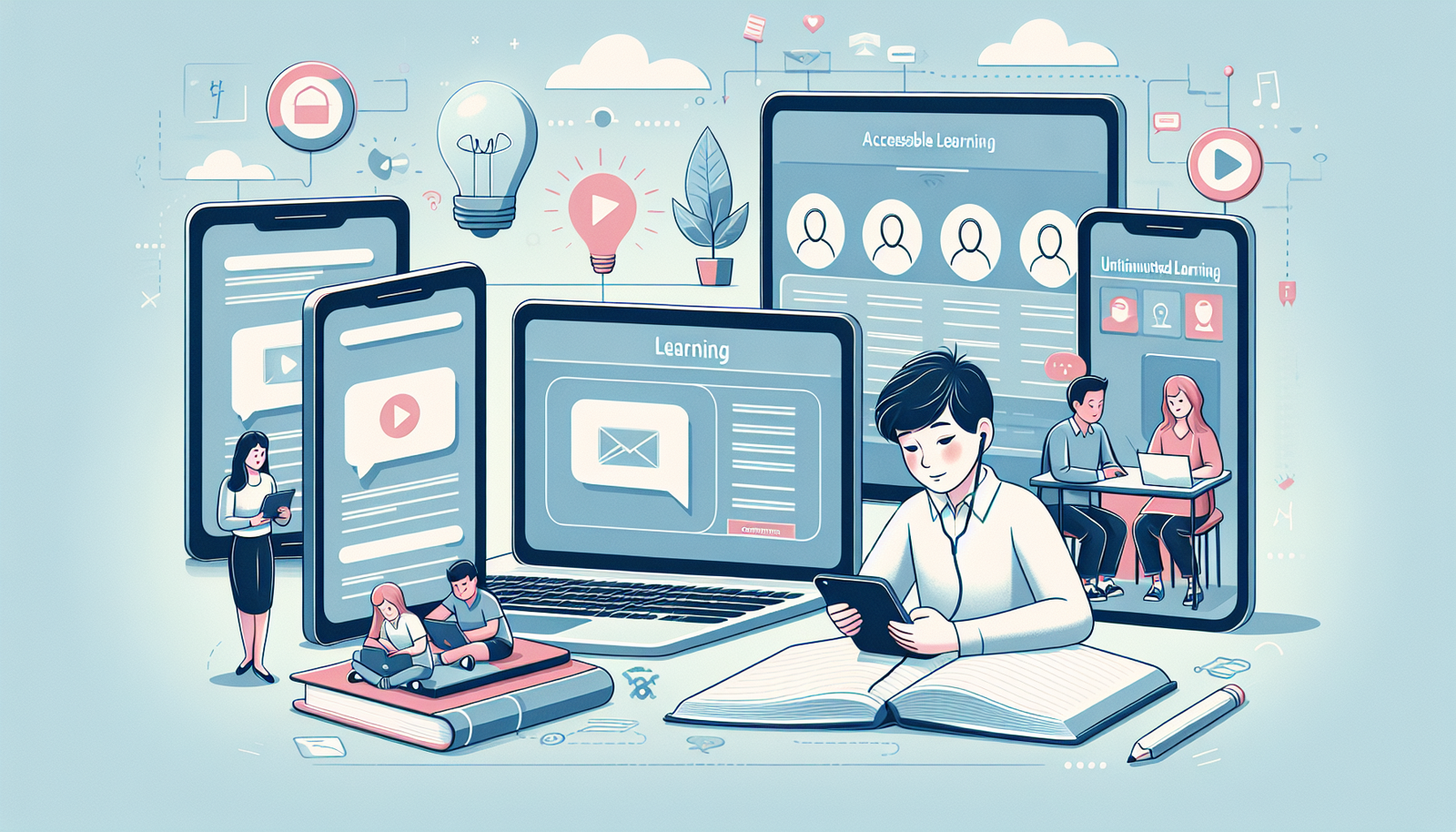
Accessibility on Different Devices
For many learners, “accessible” really means “works on the device they actually have.” I always test at least:
- iPhone or Android phone
- Tablet (if your audience is likely to use one)
- Laptop/desktop
Mobile-friendly design isn’t optional
Check for:
- Readable text without zooming
- Buttons that are easy to tap
- Videos that play without weird cropping
- Quizzes that don’t break on smaller screens
Offline access (only if you truly need it)
Some platforms offer offline downloads on mobile. If that’s a requirement—especially for field training or commutes—verify it on the free plan. Don’t assume. This is one of those “sounds great” features that often gets limited.
Get proof from user feedback
When you scan reviews, prioritize ones that mention mobile performance, slow loading, or accessibility for different devices. Those comments usually reveal problems you won’t catch in a 2-minute demo.
Support and Community Resources
Free platforms can be awesome—until you hit a wall. That’s why support matters more than people think.
What good support looks like
- Documentation: FAQs, tutorials, and setup guides
- Community: forums, user groups, or Q&A threads
- Direct help: chat or email (even if phone support isn’t available)
Look for “how people solve problems”
I don’t just want a help page. I want to see whether real users can get unstuck. Search the platform’s community for topics like:
- “quiz not grading”
- “progress not updating”
- “video embed issues”
- “mobile layout broken”
If you see repeated unresolved threads, that’s a warning sign.
Webinars and training sessions
Some platforms run onboarding webinars or publish training videos. That can speed up your setup, especially if the interface is more complex than you expected.
Feedback and Reviews from Users
Reviews are useful, but only if you read them the right way. Otherwise, you just end up collecting opinions.
Where to look (and what thresholds to use)
I usually check:
- G2 and Capterra for aggregated ratings and recent themes
- Recent community posts (platform forums, Reddit, or Facebook groups if relevant)
- App store reviews (if there’s a mobile app)
Then I apply a simple filter:
- Prefer reviews from the last 6–12 months
- Require at least 20–30 reviews for small platforms (so you don’t get one-off stories)
- Prioritize reviews that mention mobile, support, quiz behavior, or reporting
Don’t be afraid to “ask around”
If you can find past users, do it. Even a short message can reveal whether the platform’s free plan is limiting in the exact way you care about (exports, branding, user caps, or missing standards).
Also, remember: one person’s “easy” is another person’s “confusing.” That’s why you should match reviews to your use case.
Integration with Other Tools
Integrations are where time savings actually happen. If you already use tools for video calls, storage, or meetings, you want the platform to fit into that workflow.
Common integrations to check
- Video hosting: YouTube, Vimeo, or direct video embeds
- Meetings: Zoom or similar tools
- Files: Google Drive or Dropbox
- LMS compatibility: SCORM/xAPI, or tracking exports for your LMS
APIs and plugins (only matter if you’re scaling)
If you’re planning to grow beyond simple lessons, check whether the platform offers API access or a marketplace for additional features. On free tiers, this is often limited—but it’s still worth verifying.

Cost and Additional Features
Even when you’re choosing a free plan, “cost” still matters. It’s usually hiding in limitations.
What to check on the free plan
- Limits: number of courses, learners, storage, or quiz frequency
- Exports: can you download reports or learner data?
- Branding: does the platform add its logo or ads?
- Feature gating: are quizzes, analytics, or integrations restricted?
Premium upgrades (only if they match your needs)
When a platform offers a paid tier, look at what you actually get: advanced analytics, more storage, better support, or additional standards support. If the premium upgrade doesn’t solve your biggest pain point, it’s not worth chasing.
Also, if there’s a free trial for premium features, use it—but do the same testing you’d do for the free plan. Trials are where platforms sometimes look best.
FAQs
Prioritize the stuff you’ll feel immediately: quiz and content creation tools, reporting/progress tracking, mobile usability, and real support (docs + community + direct help if possible). Integrations matter too if you already use tools like Zoom or Google Drive.
It can be huge—especially for free plans where support may be lighter. A good community helps you troubleshoot faster (and you’ll often learn about limitations before you waste time). Just make sure the community is active and that questions get answered.
Most do, but “works on mobile” isn’t universal. Always test the exact learning flow you care about—especially quizzes and video playback—on a phone, not just a desktop preview.
Look for relevance to your goals, clear lesson structure, and evidence that content is maintained (update dates, version notes, or recent activity). Also check format variety—good platforms don’t rely on text-only lessons when quizzes and interactive practice are needed.