
Courses Fostering Emotional Resilience and Mindfulness Skills
Life has a way of piling things on all at once—work stress, relationship tension, health worries, the “why is everything happening at the same time?” feeling. If you’ve ever sat there thinking, “I know I should handle this better, but I don’t know how”, you’re definitely not alone.
In my experience, emotional resilience doesn’t come from forcing yourself to be calm. It’s more like learning a set of skills—so when you get hit with something hard, you’ve got a plan. And honestly, doing that solo is harder than it sounds. That’s where good courses help: they give structure, practice, and (often) a community that keeps you from falling off.
Below, I’ll share specific courses that focus on resilience and mindfulness, the key skills each one teaches, and how I’d choose between them based on what you need (and how much time you can realistically commit).
Key Takeaways
- Start with short, structured programs (often 1–4 weeks) if you want quick momentum—courses like Positive Psychology: Resilience Skills are built for that.
- If your stress is tied to a specific job (healthcare, frontline work), pick training that addresses those real-world pressures—like Mental Health and Resilience for Healthcare Workers.
- Look for courses that teach practical tools you can repeat: mindfulness sessions, emotion-regulation strategies, cognitive flexibility practice, and stress-reduction routines.
- Community matters more than people think. Forums and cohorts help you stay consistent and normalize your progress (or your setbacks).
- Pair the course with “outside practice” resources—books, podcasts, and TED Talks—to keep your skills fresh between lessons.

Top Courses for Fostering Emotional Resilience
If you’re trying to build emotional resilience, the biggest question isn’t “Can I learn this?”—it’s “Which format will actually fit my life?” I’ve found that the best courses are the ones that give you repeatable practices you can use the same day you finish a lesson.
Positive Psychology: Resilience Skills (University of Pennsylvania) — If you want a solid starting point, this is one of the most approachable options. You can find it here: Positive Psychology: Resilience Skills. It’s widely followed and is listed with a 4.9-star rating from over two thousand learners (ratings can change over time, so check the current number on the course page).
What I like about this course is the focus on habits—things like cognitive flexibility (reframing how you interpret setbacks), optimism skills, and practical stress-management approaches. It’s typically a 1–4 week commitment, which makes it realistic if you’re busy and you want momentum rather than a year-long program.
Mental Health and Resilience for Healthcare Workers (University of Toronto) — For people dealing with high-intensity work, this course is built around the reality of the job. Link: Mental Health and Resilience for Healthcare Workers. It’s shown with a 4.8 rating from nearly 500 reviews (again, numbers vary as new learners join).
This course leans into crisis intervention themes and hands-on techniques tailored to healthcare stressors. Time-wise, it’s generally about 1–3 months. If you’ve ever felt like “I need resilience, but I need it for my specific environment,” this is the kind of course that usually makes more sense than generic mindfulness.
Managing Emotions in Times of Uncertainty & Stress (Yale University) — When your stress is less about one event and more about constant uncertainty, this one fits well. Here’s the course: Managing Emotions in Times of Uncertainty & Stress. It’s listed with a 4.8-star rating and around 3,800 reviews.
In practice, this type of course is helpful because it trains emotional intelligence and empathy—so instead of reacting on autopilot, you learn how to respond with more control. The relationship-skills angle is also a big deal; resilience isn’t just internal calm, it’s how you handle people when you’re under pressure.
Learn Key Skills for Emotional Resilience
Emotional resilience isn’t “being tough.” It’s learning how to adjust when life doesn’t go the way you planned. And the courses that work best usually teach a handful of core skills—then give you the chance to practice them.
Emotional intelligence is the big one. It’s basically the ability to notice what you’re feeling, understand why it’s showing up, and manage it in a way that doesn’t blow up your day. The better courses include scenarios (not just definitions) and interactive exercises, because that’s where the learning sticks.
Cognitive flexibility (the ability to shift perspectives) is another common theme. If you’ve ever replayed the same “this is going to ruin everything” thought, you already know why this matters. The University of California, Davis course Adaptability and Resiliency focuses on bouncing back by breaking older thinking patterns that keep you stuck. It’s listed with a 4.7 rating from almost 600 learners.
Stress management is where most people notice the difference fastest—because it’s practical. You’re not just learning concepts; you’re learning what to do when your body is already activated. Yale’s course mentioned above builds this through emotion-centered work (including empathy and regulation strategies) so you can respond rather than snap.
Quick way to choose: if you want the fastest “I can use this today” skills, pick a short course with daily practice prompts. If you’re dealing with workplace-specific stress, prioritize courses that explicitly reference your environment (healthcare, frontline roles, etc.).
Enroll in Notable Emotional Resilience Courses
Here’s where it helps to be picky. Not all resilience courses are built the same. Some are quick and habit-based; others go deeper and expect more time and practice.
Building Personal Resilience: Managing Anxiety and Mental Health (Harvard Medical School) — If you want a more clinical, skill-focused approach, this program is worth a look: Building Personal Resilience: Managing Anxiety and Mental Health. It’s described as teaching five science-backed skills using practical psychology techniques. It’s guided by Dr. Luana Marques (check the provider page for the most current instructor details and schedule).
In my opinion, this kind of course is best when you want structure and you’d rather follow an evidence-based curriculum than piece together random tips from the internet.
The Foundations of Well-Being 2.0 (Rick Hanson) — If you’re willing to commit longer-term, Rick Hanson’s program is one of the more intensive options. Link: The Foundations of Well-Being 2.0. It’s listed at $450 with a 25% discount from an original $600 price (verify on the site since pricing can change).
This program is described as year-long and includes live Q&A sessions, guided meditations, and experiential practices rooted in positive neuroplasticity (the idea of training the brain through repeated attention and practice). If you tend to quit short programs, this longer structure might actually be a benefit.
Introduction to Emotional Resilience (MyERS CompletE) — For healthcare workers who need something targeted and tied to real continuing education requirements, MyERS CompletE offers an “Introduction to Emotional Resilience” module. It’s described as including practical approaches and offering continuing education credit approved by the Florida Board of Nursing. This is especially useful if you need both skill-building and a credential that fits your workplace requirements.
My limitation note: I can’t personally confirm every module’s week-by-week schedule without checking each provider’s syllabus at the time of writing. If you’re choosing between these, I recommend opening each course page and checking for three things: (1) what the homework/practice assignments look like, (2) whether there are assessments/quizzes or feedback, and (3) how long each unit expects you to spend.
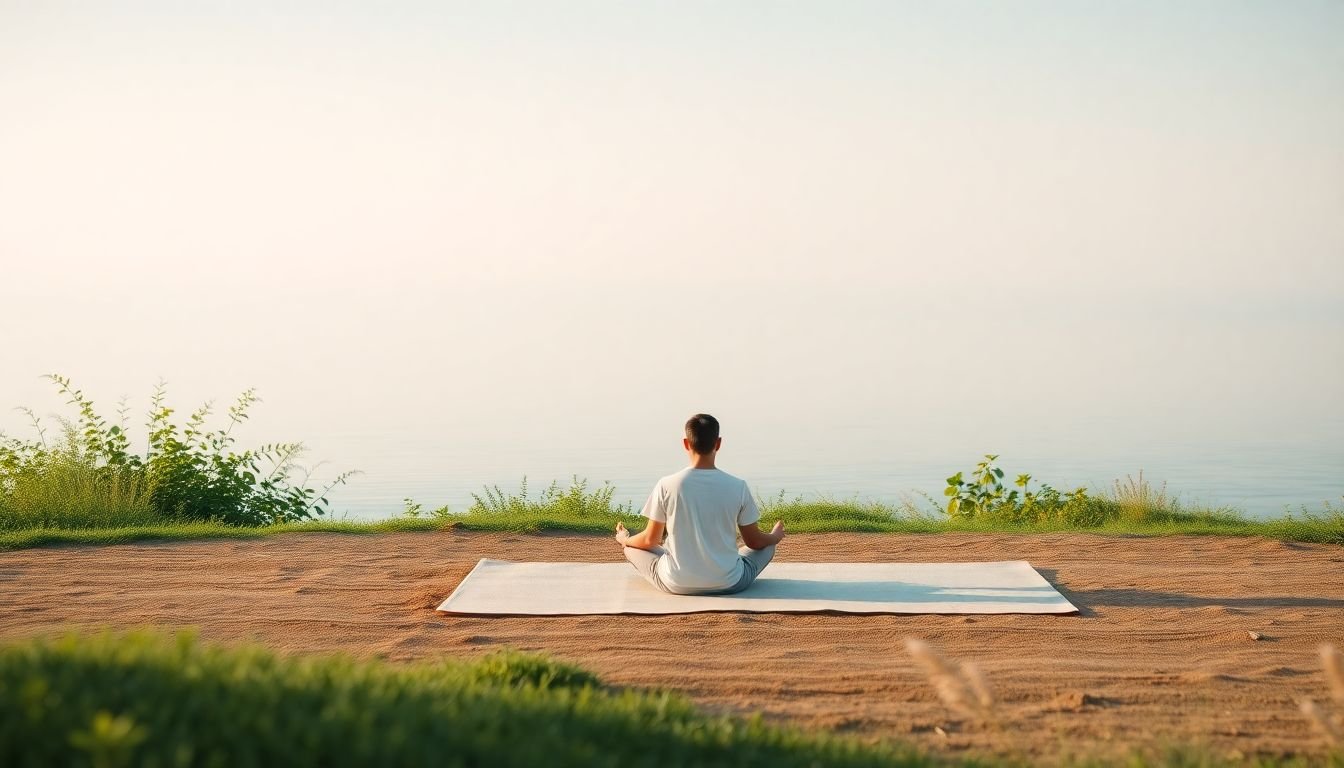
Practice Mindfulness and Stress Management Techniques
Courses are great, but resilience is built in the minutes you practice after the lesson ends. If you want the skills to actually show up in real life, you need routines.
Mindfulness (simple, repeatable)
Start with something small: five minutes a day. Sit somewhere comfortable, close your eyes (or soften your gaze), and focus on your breathing. When your mind wanders—and it will—gently bring your attention back. That “come back” moment is the practice. It trains attention the same way exercise trains muscles.
If you’re new, guided apps help a lot. Headspace and Calm are popular because they make it easy to follow along with short sessions that fit into busy schedules.
Progressive muscle relaxation (PMR)
This is one of those “why didn’t I do this sooner?” tools. PMR is basically tightening one muscle group, holding for a few seconds, and then releasing. You move through groups (shoulders, arms, jaw, etc.).
In my experience, it’s especially helpful at night if anxiety tends to mess with your sleep. You’re telling your body, “We’re done with the fight-or-flight mode.”
Journaling that’s actually useful
Journaling can feel cheesy until you do it in a way that reveals patterns. Instead of writing a novel, try a quick format: Trigger → Emotion (0–10) → What I told myself → What I needed → A kinder reframe. Do that for a week and you’ll start seeing the same thought loops pop up.
Make it course-specific
If you’re taking Yale’s Managing Emotions in Times of Uncertainty & Stress course, use its themes as your journaling prompts. For example: “Where did I become rigid today?” or “What would empathy look like in this moment?” That way, your daily practice lines up with what the course is teaching.
Connect with Communities for Ongoing Support
Here’s the part people underestimate: resilience gets easier when you’re not doing it alone.
Most major platforms (including Coursera) have discussion boards or forums. Students ask questions, share what worked, and sometimes post “I was stuck too” updates—those are gold when you’re feeling discouraged.
And yes, you should participate. Don’t just lurk. If you ask one question per week—something like “Has anyone tried this exercise and noticed X?”—you’ll get more out of the course than if you only watch videos.
If you want something tighter than a public forum, build an accountability group with peers. Slack, Telegram, or WhatsApp can work well for quick check-ins like: “What did you practice today?” and “What was hard?”
For healthcare workers, connecting with colleagues who understand the day-to-day pressure is a big deal. You don’t just swap tips—you swap reality. That’s often what makes resilience stick in professional settings.
Finally, broader online communities (mental health and mindfulness groups on Facebook, or active threads on Reddit) can keep your learning fresh. Just be careful: not every post is evidence-based. If a “tip” sounds extreme or medically risky, don’t treat it as a substitute for professional guidance.
Access Additional Resources for Further Learning
Online courses are a strong foundation, but if you want resilience to become second nature, you’ll probably want a few extra resources in your rotation.
Books
If you want something practical, Resilient by Rick Hanson is a solid pick. It’s also connected to his longer program (the same author behind The Foundations of Well-Being 2.0), and the book breaks resilience down into understandable practices.
Podcasts
Podcasts are great for learning without “setting aside time.” If you commute or do chores, you can listen while doing something mindless. A show like The Positive Psychology Podcast is a good example of the kind of encouraging, skill-forward content people tend to stick with.
TED Talks
Short, clear talks can help you reframe what resilience actually means. Lucy Hone’s “3 Secrets of Resilient People” is one example that’s widely shared for a reason—it’s easy to apply and not overly abstract.
Use a simple comparison checklist
When you compare course platforms or add-ons, don’t just look at star ratings. Check whether the format matches your learning style: video lectures, written exercises, quizzes, guided meditations, and structured homework all work differently. The best course is the one you’ll actually practice.
Track what’s changing
If you want a measurable sense of progress, summarize your key points regularly in a journal or notebook. Even a few lines after each session helps you notice what’s improving—sleep, reactivity, self-talk, patience with others, you name it.
For more bite-sized insights, you can also check places like the Greater Good Science Center or psychology-focused blogs. They often include short exercises and practical takeaways that make resilience-building feel more doable.
FAQs
Most emotional resilience courses teach a mix of mindfulness practices, stress management strategies, coping skills, self-awareness tools, and emotional regulation techniques. The goal is practical: you learn how to handle stress more effectively, reduce “automatic” reactions, and keep emotional balance in day-to-day situations.
Mindfulness helps you stay present and notice what’s happening inside you—thoughts, emotions, and physical stress signals—so you can respond instead of reacting. Over time, regular practice can improve emotional stability, boost self-awareness, and make it easier to choose calmer responses when stress hits.
For many people, yes. Online courses can be just as effective because they’re structured, repeatable, and often include guided exercises you can practice at home. Plus, the convenience makes it easier to stay consistent—consistency is where the real results come from.
Start with course forums and discussion groups on platforms like Coursera. You can also look for mental health and mindfulness groups on Facebook, active communities on Reddit, or local meetups/workshops in your area. The key is to participate—ask questions, share what you’re practicing, and build real momentum with other learners.